What a law firm, a site team and an agency have in common
Three businesses that would never be in the same room have the same bad week for the same reason. The words are different. The mechanism is identical.
The fluxems team · Product
A conveyancing attorney, a site agent and a creative director would struggle to agree on lunch, let alone software. Their work looks nothing alike. Their worst week, however, is the same week.
The attorney
A client insists a clause was never in the agreement they signed. The firm has six drafts, four of them in a mail thread, and the signed copy is a scan somebody saved with a date in the filename. Establishing what was actually signed takes a day, and the answer is only as good as the person who remembers.
The site agent
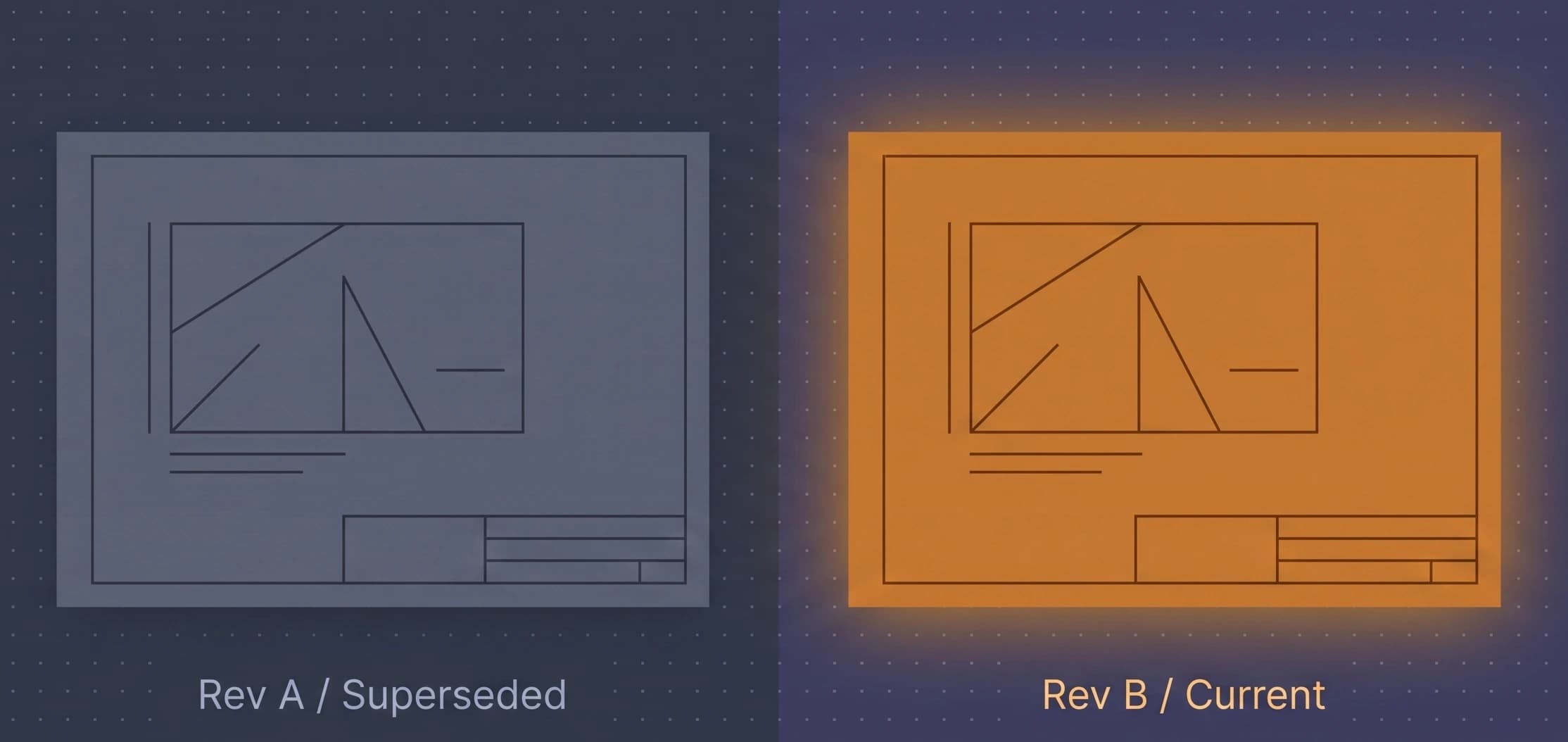
Work goes ahead against a drawing that stopped being current three weeks earlier. The revision was issued, but it landed in an inbox somebody was on leave from. The rework is expensive, and the argument about who should have caught it runs longer than the repair.
The creative director
The client approves round three, then asks for a change in round six that was already requested and reversed in round four. Nobody can point at the approval, so the agency absorbs the work. It happens again the following quarter.
Same mechanism, three costumes
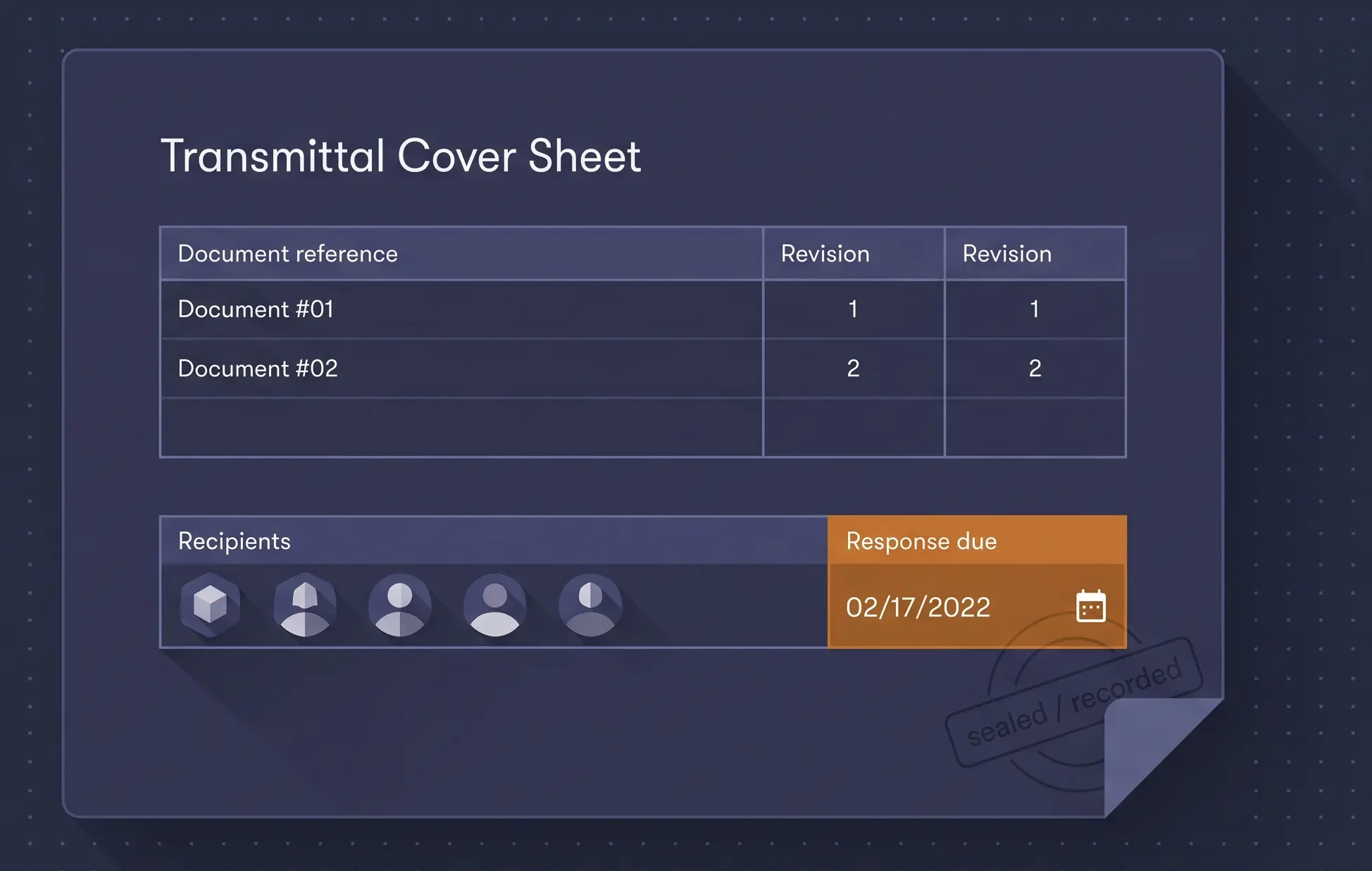
Strip the vocabulary and each one is a document that changed, an approval that was not recorded against the version it applied to, and a distribution that nobody can prove landed. That is one problem with three names.
| The document | The approval nobody recorded | The cost |
|---|---|---|
| Engagement letter | Which draft the client signed | A day of reconstruction, and a weaker position |
| Issued drawing | Whether the new revision was received | Rework, and an argument about who pays |
| Approved artwork | Which round the client signed off | Unbilled work, repeated next quarter |
This is why one system can serve all three without becoming a compromise for any of them. The record underneath is identical. What differs is the language on top, and language is the easy part.
If your first reaction is that your industry is more complicated than the other two, that is the normal reaction, and everyone has it. It is usually true about the work and almost never true about the paperwork.
The practical consequence
You do not need software written specifically for your sector to fix this. You need a record that enforces one current version, logs approvals against the version they applied to, and proves distribution. Everything else is detail.
See what that looks like in your own industry, or read about how the change log works.