Every team runs on documents. Most run them from an inbox.
Almost nobody calls themselves a document business. Then a version goes missing and the whole week disappears into finding it. Here is why the problem is identical in a law firm, a workshop and a clinic.
The fluxems team · Product
Ask an operations lead what their business runs on and almost nobody says documents. They say clients, or jobs, or cases, or product. The documents are just the residue, the paperwork that piles up around the real work. Nobody budgets for it and nobody owns it.
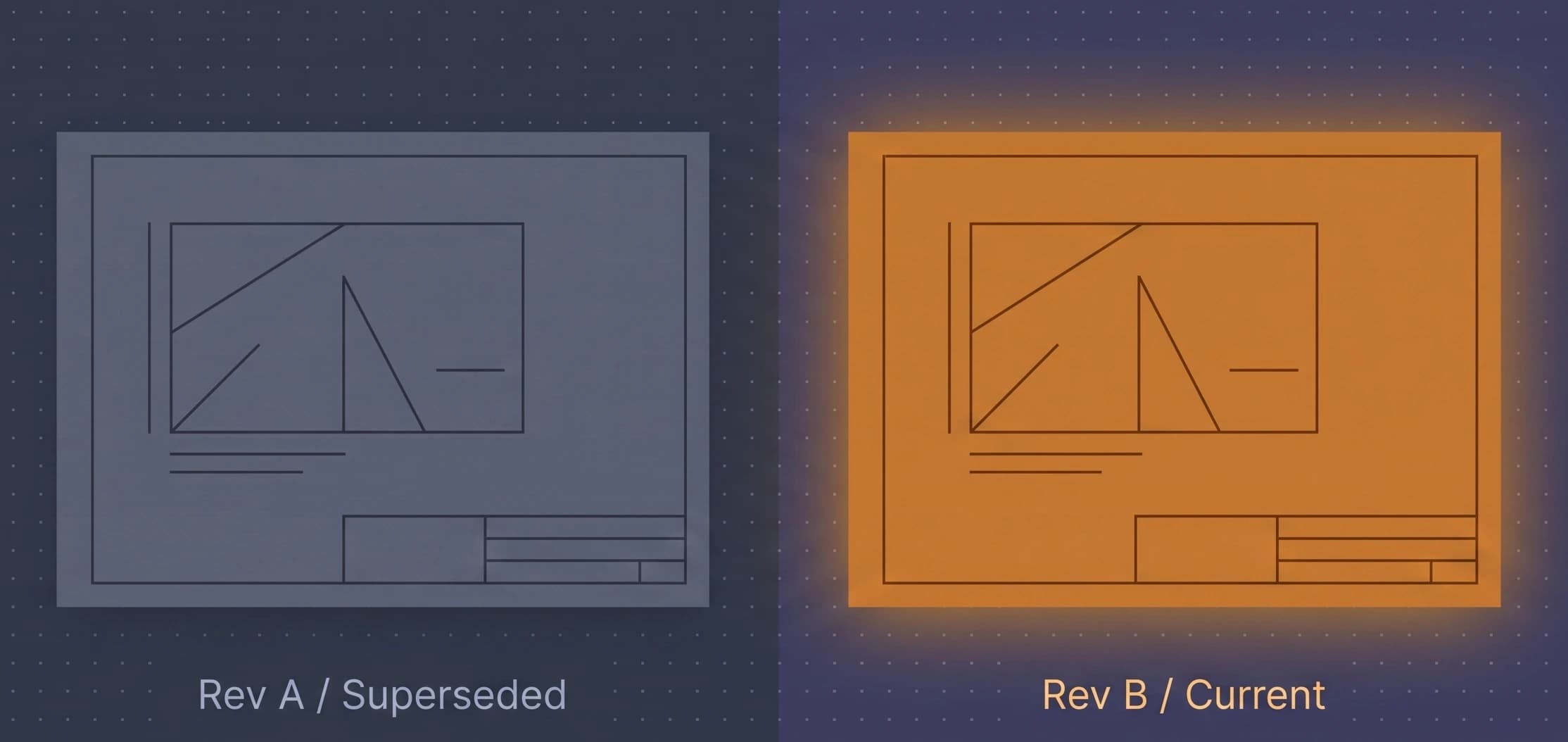
Then a signed agreement cannot be found, or a crew works against a superseded drawing, or an auditor asks for a consent form and gets three versions of it. Suddenly the residue is the only thing anyone is working on, and it eats the week.
The same three failures, everywhere
We have watched this play out across businesses that have nothing else in common. The vocabulary changes completely. The failure does not.
- Nobody can say which version is current. There are four copies, three of them are wrong, and the only way to tell is to ask the person who last touched it.
- Nobody can say who approved it. The decision happened in a mail thread on a laptop that is now on leave.
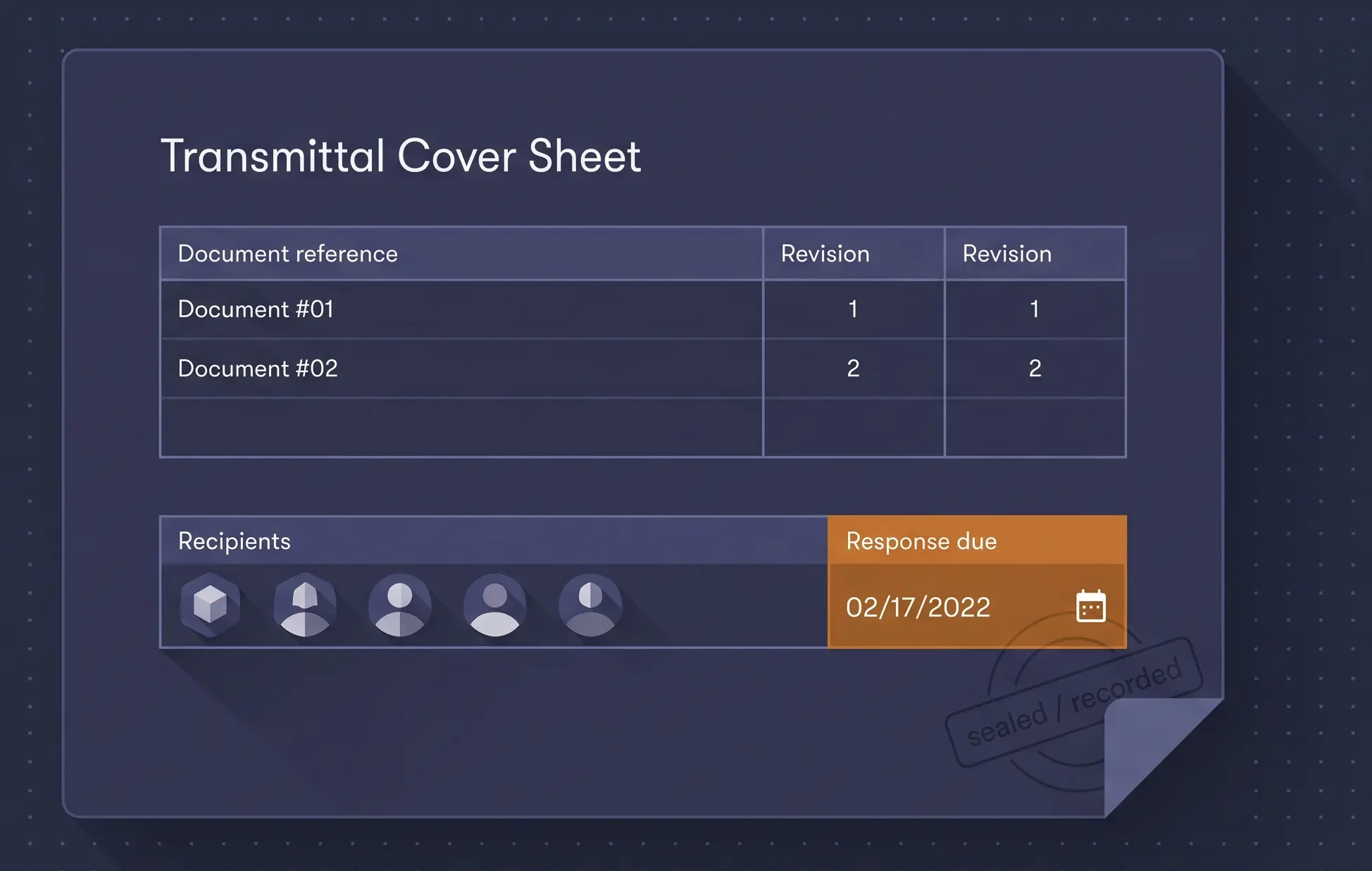
- Nobody can produce the trail. When a client, an auditor or a lawyer asks what happened, the answer is assembled from memory and a mail search.
A law firm calls the document an engagement letter. A manufacturer calls it a batch record. A field services business calls it a job sheet. The thing that goes wrong is the same thing, and it goes wrong for the same reason: there is no single place that is allowed to be the answer.
Why the shared drive is not that place
A shared drive stores files. It does not know that one file supersedes another, it cannot tell you who approved either, and it will happily let two people create the same document twice. It is a filing cabinet with search, which is genuinely useful and completely insufficient.
The inbox is worse, because it hides the record inside individual accounts. The moment the person who sent it leaves, the history of that decision leaves with them. Most businesses discover this during a handover, which is the worst possible time.
What a system of record actually has to do
Not much, honestly. Three things, done properly and without relying on anyone remembering to do them.
- Hold one current version, marked as current, with everything before it still readable but clearly superseded.
- Record who did what to it and when, in a log that cannot be quietly edited afterwards.
- Let the right people reach it and keep everyone else out, checked on every read rather than hidden in a menu.
Tip
The test for whether you need this: if the person who set up your folder structure left tomorrow, could anyone else explain it? If the answer is no, the structure is not a system, it is a habit.
Where to start
Do not migrate everything. Take the one folder that causes the most arguments, put it somewhere that enforces a current version, and invite the two people who argue about it most. If it does not obviously help within a few days, you have lost a few days and learned something. If it does, you already know which folder is next.
You can try that on a free trial without talking to anyone, or look at how it fits your industry first.